Backsplash Behind Stove: Best Tile, Height and Where It Stops
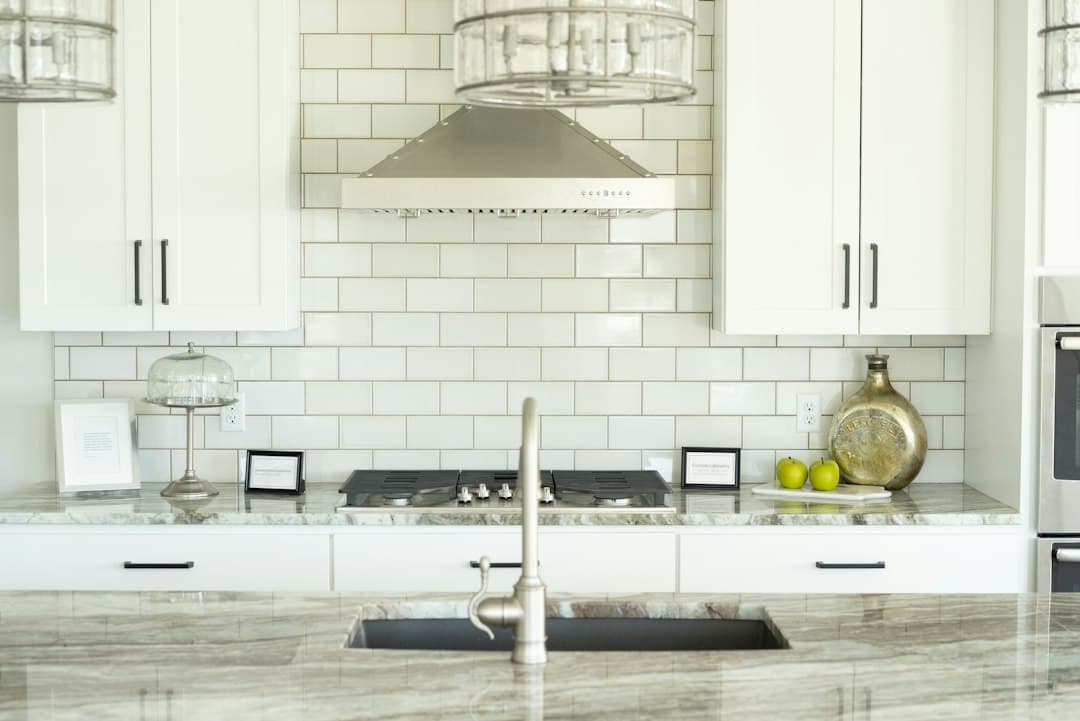
A backsplash behind stove is the tiled wall between the cooktop and the range hood, and it takes more heat, grease and scrubbing than any other wall in the kitchen. The best choice for most homes is porcelain or glazed ceramic tile set in modified thin-set mortar, with a tight, stain-resistant grout. Glass works too. Natural stone and peel-and-stick are the weak picks. Plan the layout around the hood, the outlets and where the tile stops before anyone mixes mortar.
Key Takeaways
- Porcelain handles heat best: it is heat resistant, stain resistant and has low absorption.
- Use thin-set, not mastic: modified thin-set has better heat resistance than pre-mixed mastic behind a range.
- Skip peel-and-stick: its adhesive breaks down near heat and moisture within 1-3 years.
- Stone needs care: marble and travertine etch and should be resealed yearly in a kitchen.
- Cost: backsplash installs run about $10-35 per sq ft in Greater Boston (as of 2026 pricing).
What Tile Works Best for a Backsplash Behind the Stove?
Porcelain and glazed ceramic are the best tiles behind a stove. They shrug off heat, wipe clean and do not stain from splatter. The table below compares common choices (tile prices as of 2026 pricing).
Tile | Tile cost per sq ft | Heat and grease | Cleaning |
|---|---|---|---|
Daltile glazed ceramic subway | About $4 | Good | Easy |
Porcelain tile (Daltile, MSI) | About $7 | Excellent | Easy |
Crossville or MSI glass tile | About $18 | Excellent stain resistance | Easy, non-porous |
Marble or travertine | About $20 | Etches from acids | Needs yearly sealing |
Bedrosians zellige | About $22 | Good | Medium, textured face |
Peel-and-stick mosaic | About $8 | Poor, adhesive fails | Replace in 1-3 years |
Why the Adhesive Matters
The tile is only half the job. Behind a range, we set tile in polymer-modified thin-set instead of mastic. Mastic is fine on a dry backsplash wall, but thin-set holds up better to heat. Glass tile also needs white thin-set, because gray mortar shows through the glass.
Grout Behind the Stove
Grease settles into grout lines first. We use Laticrete Permacolor grout, which holds even color and cleans well. Darker grout hides cooking stains better than bright white. Many Greater Boston homes, especially older ones, have gas ranges, so plan for more heat on that wall.
Planning a range wall now? Send us photos of your stove wall, hood and outlets for a same-day backsplash estimate. We will flag any wall or trim issue before you buy tile.
Full-Height Slab or Feature Tile Behind the Range?
Many kitchens treat the range wall as the focal point. You can run the tile to the ceiling, use a feature pattern, or install a slab. Each choice has trade-offs.
Feature Tile vs Slab: Side by Side
- Feature tile pattern: herringbone or vertical stacked tile behind the range, with plain running bond elsewhere. It adds movement for a small area. Herringbone uses about 15-20% more tile to waste and takes more labor.
- Full-height tile: tile from counter to ceiling behind a chimney hood. It looks finished and is easy to clean, but adds square footage and layout time.
- Stone or quartz slab: one piece with no grout lines. Your countertop fabricator usually supplies and installs these, not a tile installer.
- Large format porcelain: big tiles give a near-slab look with very few joints. They need a flat wall and careful setting.
Centering the Pattern
A feature pattern looks wrong if it is off center. We snap a center line on the range, then dry-lay the pattern so it lands evenly on both sides. For layouts like herringbone, chevron and stacked, our guide to subway tile patterns shows how each one looks and how much labor it adds.
Range Hoods, Outlets and Where the Tile Stops
Most backsplash problems behind the stove come from poor planning at the edges. Decide these details before the install, not halfway through.
How High Should Tile Go Behind a Range Hood?
- Under-cabinet hood: tile stops at the bottom of the cabinet, same as the rest of the backsplash.
- Chimney or wall-mount hood: tile usually runs up to the ceiling, or at least past the top of the hood, so you never see a painted strip.
- Hood install timing: confirm the hood size and mounting height first. Tile cuts around the duct cover and mounting bracket need to be exact.
Outlets and Switches
Outlets near the range need clean notched cuts on two or more tiles. The cover plate should overlap the tile edge. If the boxes end up too deep after tile, an electrician can add box extenders. Moving or adding outlets is electrician work.
Where the Tile Stops
- Against cabinets: tile tucks tight to the cabinet side, with caulk at the joint.
- Open ends: a raw edge gets metal edge trim or bullnose tile. We finish metal edge trim to match the grout so it blends in.
- At the counter: the joint between tile and counter gets caulk, not grout, so it can flex.
- Behind a slide-in range: tile goes all the way down to the counter height line so no wall shows above the range.
Should You DIY a Backsplash Behind the Stove?
You can, but this is the wall where mistakes show most. Uneven cuts around a hood, crooked herringbone and gaps at outlets are hard to hide. Older Boston homes often have plaster walls that need skim-coating before tile. A pro handles the prep, layout and trim in one visit.
How Much Does a Backsplash Behind the Stove Cost?
Backsplash installs run about $10-35 per sq ft in Greater Boston, with labor around $8-18 per sq ft (as of 2026 pricing). The range wall is one section of a typical 15-50 sq ft kitchen backsplash. Feature patterns, full-height walls and glass or zellige tile push the price toward the top of the range.
- Lower cost: ceramic subway in running bond, tile stopping under the hood.
- Mid cost: porcelain to the ceiling behind a chimney hood.
- Higher cost: herringbone zellige or glass mosaic, full height, with metal edge trim.
You buy the tile from a supplier we recommend, and we supply the setting materials. For full numbers by tile type, see our subway tile backsplash cost guide and our breakdown of kitchen tile installation cost.
Get Your Range Wall Done Right
A good backsplash behind stove plans for heat, grease and a clean stop at every edge. Aguirre Modern Tile has installed kitchen backsplashes across Greater Boston since 2016, licensed under MA HIC #655072 with $1M in liability insurance. Send photos of your range, hood and tile pick for a same-day estimate on your backsplash behind the stove.
Back to Tile Installation Backsplash guide | Tile Installation Complete Guide
Frequently Asked Questions
What is the best tile behind a stove?▾
Can you use mastic behind a stove?▾
How high should the backsplash go behind a range?▾
Should the backsplash behind the stove match the rest of the kitchen?▾
Who moves the outlet behind my range?▾
Need Backsplash Installation?
Send us photos and get a same-day estimate.