Subway Tile Patterns: 7 Layouts and What Each Costs to Install
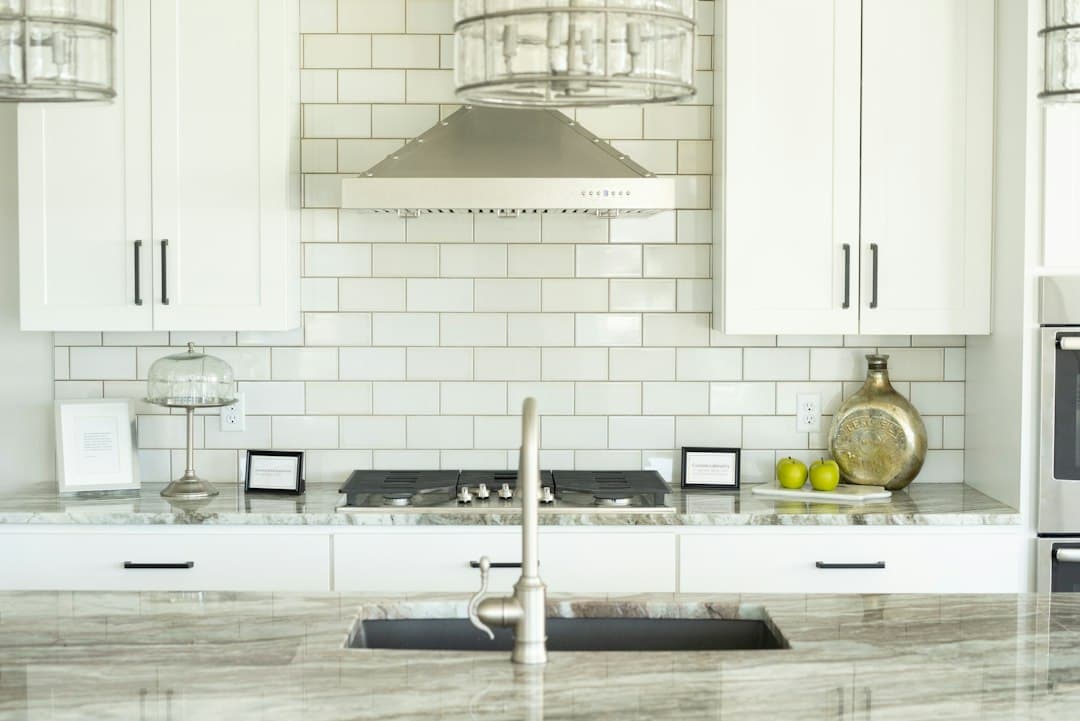
Subway tile patterns are the layouts used to set rectangular subway tile on a wall, from the classic offset brick to herringbone and stacked grids. Here are 7 subway tile patterns every homeowner should know before picking one. For most kitchens, running bond (the 50% brick offset) is the safest choice: it is timeless, forgiving of walls that are not perfectly flat, and the least expensive to install. Pick stacked for a modern grid, and pick herringbone when you want a feature wall and can accept more labor and waste.
Key Takeaways
- Running bond is the default: it is the most popular backsplash layout and works in 3x6, 3x12 and 4x12.
- Subway tile vs stacked: stacked looks cleaner but shows every uneven wall and tile size difference.
- Subway tile or herringbone: herringbone adds movement but uses about 15-20% more material to waste.
- Labor follows cuts: backsplash labor runs about $8-18 per sq ft in Greater Boston, and complex patterns sit at the top (as of 2026 pricing).
1. Running Bond (Classic Subway Brick)
Running bond is the pattern most people picture when they hear subway tile. Each row shifts half a tile from the row below, like brick.
- Look: classic, works in brownstones, farmhouses and modern condos.
- Best tile: 3x6 ceramic for a traditional look, 3x12 or 4x12 for a longer, cleaner line.
- Install notes: the offset hides small wall waves. It is the fastest pattern to lay out.
- Cost: lowest labor of all the patterns.
2. One-Third Offset
A one-third offset shifts each row by a third of the tile length instead of half. It suits longer subway tiles like 3x12 and 4x16.
- Why use it: long tiles often have a slight bow. A half offset lines up the high center of one tile with the low ends of the next. A third offset reduces that lippage.
- Look: a softer, stepped rhythm instead of the strict brick look.
- Cost: about the same as running bond.
3. Horizontal Stacked
Stacked subway tile lines every joint up in a straight grid. This is the answer to subway tile vs stacked: stacked is the modern option, running bond is the classic.
- Look: clean, minimal, contemporary.
- Catch: stacked shows every out-of-plumb wall and every small size difference between tiles. Rectified porcelain stacks better than handmade-look ceramic.
- Install notes: needs a flatter wall and tighter layout control.
- Cost: similar cuts to running bond, but more prep time on uneven walls.
4. Vertical Stacked
Vertical stacked turns the tiles on end so the long side runs up the wall.
- Look: draws the eye up and makes a low backsplash feel taller.
- Best for: full-height walls, range walls, and modern kitchens with flat-panel cabinets.
- Install notes: more pieces meet the counter and the cabinets, so every edge cut shows.
- Cost: slightly more labor than horizontal, mostly from extra cuts at the top and bottom.
Not sure which layout fits your kitchen? Send us photos of your backsplash wall and the subway tile you like for a same-day estimate, and tell us which pattern you are leaning toward. We will price it as drawn.
5. Herringbone
Herringbone sets subway tiles at 45 degrees in a V-shaped zigzag. This is the pattern most homeowners weigh against running bond when deciding subway tile or herringbone.
- Look: movement and texture. It is a favorite behind the range.
- Waste: herringbone uses about 15-20% more material than a straight layout, because every edge piece is an angled cut.
- Install notes: we snap a center line and dry-lay the pattern first so the V lands centered on the range or window.
- Cost: top of the labor range. Many homeowners use it only on one wall.
6. Chevron
Chevron looks like herringbone, but the tile ends meet in a straight point instead of overlapping.
- Look: a sharper, more modern arrow pattern.
- Tile: needs tile made with angled ends, or mitered cuts on every piece.
- Install notes: more complex than herringbone. Small errors grow across the wall.
- Cost: one of the most expensive subway tile patterns to install.
7. Basketweave
Basketweave pairs tiles side by side, then alternates the pairs between horizontal and vertical.
- Look: vintage and traditional. It suits older New England homes.
- Best tile: small subway like 2x4 or 3x6, so the weave reads clearly.
- Cost: more labor than running bond, less than herringbone.
8. Which Subway Tile Patterns Cost More to Install
Pattern changes labor more than tile price. Backsplash labor runs about $8-18 per sq ft based on current Greater Boston rates. Ceramic subway tile itself costs about $4 per sq ft (as of 2026 pricing).
Pattern | Relative labor | Extra material |
|---|---|---|
Running bond (Daltile 3x6 ceramic) | Lowest | Standard overage |
One-third offset (3x12 porcelain) | Low | Standard overage |
Horizontal stacked (rectified porcelain) | Low to medium | Standard overage |
Vertical stacked (3x12 ceramic) | Medium | Standard overage |
Basketweave (2x4 or 3x6 ceramic) | Medium to high | Some extra |
Herringbone (3x12 ceramic or zellige) | High | About 15-20% more |
Chevron (angled-end tile) | Highest | Extra, plus mitered cuts |
- Smaller tile costs more to set: 3x6 has twice as many pieces as 3x12.
- Edges add cost in every pattern: we finish metal edge trim to match the grout, which is Laticrete Permacolor.
- You buy the tile: we recommend suppliers and supply the thin-set, grout and trim.
For full price ranges by kitchen size, see our breakdown of subway tile backsplash cost. If you plan a feature pattern at the range, read our guide on backsplash behind stove details first.
9. Subway vs Zellige: Same Shape, Different Install
Zellige often comes in a subway shape, but it installs very differently. Standard subway is uniform, while zellige is handmade with uneven faces, chipped edges and color shifts.
- Tile cost: ceramic subway about $4 per sq ft vs zellige about $22 per sq ft (as of 2026 pricing).
- Joints: subway uses even spacers. Zellige is usually set very tight, almost butted.
- Patterns: zellige looks best in running bond or stacked. Herringbone with zellige is possible, but the uneven pieces make it slower.
- Sorting: we mix zellige from several boxes so color variation spreads evenly.
Read our full guide to zellige tile installation before you order handmade tile.
Which Subway Tile Pattern Should You Choose?
- Lowest cost and timeless: running bond.
- Long tiles with a slight bow: one-third offset.
- Modern and minimal: horizontal or vertical stacked, on a flat wall.
- One feature wall: herringbone behind the range, running bond elsewhere.
- Period home: basketweave or classic 3x6 running bond.
Aguirre Modern Tile has installed subway tile patterns in Greater Boston kitchens since 2016. We are licensed under MA HIC #655072 and carry $1M in liability insurance. Send photos of your wall and your pattern pick for a same-day subway tile estimate.
Back to Tile Installation Backsplash guide | Tile Installation Complete Guide
Frequently Asked Questions
What is the most popular subway tile pattern?▾
Is herringbone subway tile more expensive?▾
Should subway tile be stacked or offset?▾
Can you install subway tile vertically?▾
What grout color works with white subway tile?▾
Need Backsplash Installation?
Send us photos and get a same-day estimate.