Are Heated Bathroom Floors Worth It? Honest Pros and Cons
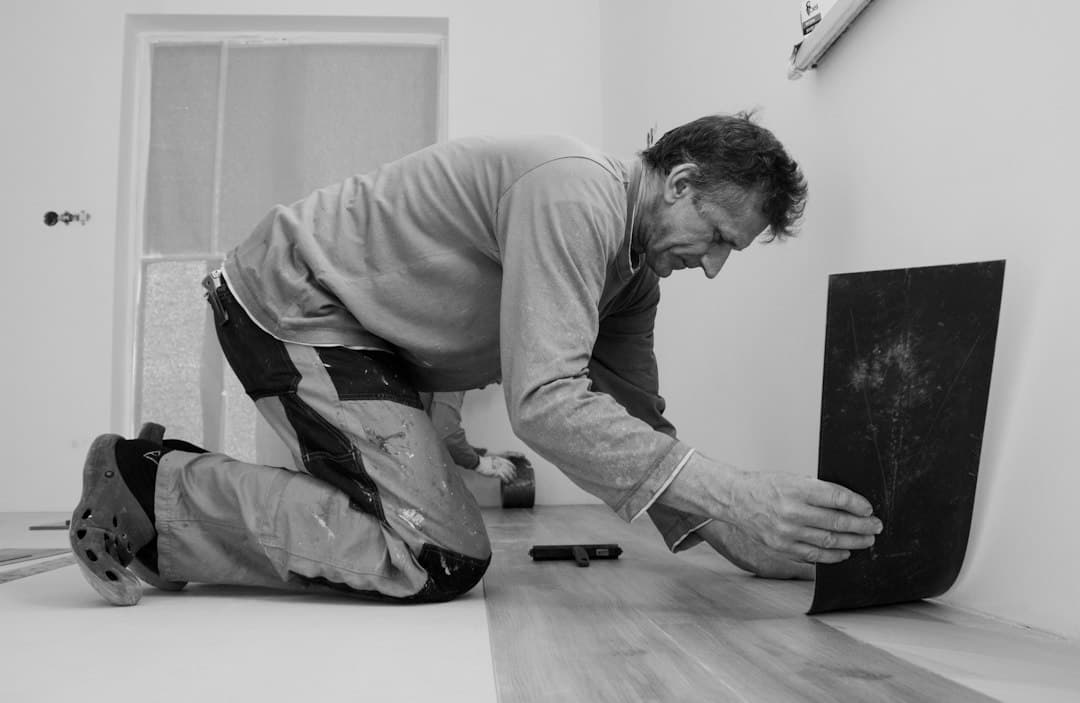
A heated bathroom floor is an electric cable set in thinset under your tile that keeps the floor warm. Choosing between a heated floor and a plain tile floor? So, are heated bathroom floors worth it? For most Greater Boston bathrooms, yes, if you are already retiling the floor. It adds about $10 to $15 per heated square foot (as of 2026 pricing). It is not worth tearing out a good floor just to add it.
Factor | Heated tile floor (Schluter DITRA-HEAT under porcelain) | Plain tile floor (Strata Mat under porcelain) |
|---|---|---|
Comfort | Warm underfoot all winter | Cold tile from about October to April |
Added install cost | About $10 to $15 per heated sq ft, plus electrician | None |
Running cost | Small; a 40 sq ft floor draws about 480 watts | None |
Drying | Floor and bath mat dry faster | Normal drying |
Repair risk | A damaged cable means pulling tile | No cable to fail |
Planning | Vanity and toilet spots must be settled first | More flexible |
For the full system overview, go back to our heated bathroom floor guide, part of our Tile Installation Complete Guide.
Key Takeaways
- Worth it during a retile: the floor is open, so heat costs only the system and the electrician.
- Biggest winners: slab floors, basement baths and older homes over unheated space.
- Main downside: the up-front cost and the hassle if a cable is ever damaged.
- Resale: a nice feature buyers notice, but not a guaranteed return.
Heated Floor vs Plain Tile: The Pros and Cons
Yes for most homes, as long as you add heat while the floor is open. The pros are daily comfort and a dry floor. The cons are cost and the chance of a repair under tile. Here they are side by side.
Pros vs Cons
- Pro: comfort every day. Porcelain and stone pull heat from bare feet. A warm floor fixes that.
- Con: added cost. About $10 to $15 per heated sq ft, based on current Greater Boston rates, plus the electrician.
- Pro: low running cost. A schedule keeps a typical floor's power use modest.
- Con: one more system. A thermostat, a sensor and a circuit that need to work for years.
- Pro: faster drying. Wet footprints and bath mats dry sooner on warm tile.
- Con: harder repairs. If a cable is damaged, tile has to come up to reach it.
To see the numbers behind those pros and cons, read our guides on heated bathroom floor cost and the heated bathroom floor cost to run.
Who Loves Heated Floors Most?
Homeowners with the coldest floors get the most from heat. In our experience, three kinds of bathrooms stand out. Each one has a floor that stays cold no matter what the house thermostat says.
Cold Slab vs Basement Bath vs Older Home
- Concrete slab floors: slab-on-grade bathrooms stay cold all winter. Heat turns cold tile into a comfortable floor.
- Basement bathrooms: below-grade slabs are colder still. Heat also helps the floor dry, which matters in damp basements.
- Older Boston-area homes: bathrooms over porches, crawlspaces or unheated additions lose heat through the floor.
- Primary baths with large tile: big porcelain or natural stone floors feel cold fast. Heat makes them pleasant year-round.
Our heating season runs about October to April. That is a long winter of cold tile. Homeowners in these rooms almost never regret adding heat.
Who Can Skip It?
- Rarely used half baths: the cost per use is high.
- Floors with lots of cabinets: little open floor means little heat.
- A good tile floor you are not replacing: adding heat means a full retile.
The Downsides: Cost and Cable Repairs
The two real downsides are the up-front price and repair risk. Both are manageable with good planning and a careful installer.
Up-Front Cost vs Long-Term Use
Heat adds about $10 to $15 per heated square foot, plus the electrician. We heat only the open floor, never under the vanity or toilet. So a 40 sq ft bathroom might have about 25 square feet of heated floor. That keeps the cost lower than most people expect.
What If a Cable Is Damaged?
Damage is rare once the cable is buried in thinset under tile. Most problems happen during installation, from a trowel nick or a dropped tool. A damaged cable after grout means removing tile over the spot to repair it. That is why we take resistance readings before the cable goes down, after it is laid, and after tile is set.
- Our method: one cable sized to the open floor, set in a heating membrane that replaces the Strata Mat uncoupling layer.
- Setting materials: Laticrete 254 Platinum under the membrane and 253 Gold over it, grouted with Laticrete Permacolor.
- Testing: readings at three stages, recorded for your warranty file.
- Manufacturer specification: we follow the Schluter install instructions to protect the system warranty.
Do Heated Floors Add Resale Value?
Heated floors are a feature buyers notice, but nobody can promise a dollar return. We will not quote you a resale percentage, because the honest answer is that it depends on the house and the market. Think of heat as a comfort upgrade you enjoy for years. It is rarely a reason a buyer walks away.
Heated Floor vs Other Bathroom Upgrades
- Heated floor: felt every day, invisible in photos, best added during a retile.
- Tile choice (porcelain vs natural stone): seen in every listing photo; stone needs sealing.
- Waterproofing done right: invisible, but it protects the whole bathroom from leaks.
If you are still choosing the floor itself, our guide to bathroom floor tile vs LVP covers why tile is the better partner for floor heat.
Which Tile Works Best Over a Heated Floor?
Dense tile works best over heat, because it holds warmth and spreads it evenly. Here is how common floor tiles compare over a heated floor, with material prices based on current pricing. You buy the tile from the supplier you choose, and we recommend a few.
Porcelain vs Ceramic vs Natural Stone
- Porcelain floor tile (12x12, 12x24): about $6 per sq ft. Dense, waterproof and our top pick over heat.
- Wood-look porcelain plank (6x36, 8x48): about $8 per sq ft. The wood look with no worry about water. Needs a very flat floor.
- Ceramic floor tile: about $3 per sq ft. Fine for light-traffic guest baths.
- Natural stone (slate, travertine, limestone): about $14 per sq ft. Holds heat well but needs sealing and resealing.
Pattern does not change the heat. A herringbone or straight lay floor warms the same way. What matters is a flat floor and full thinset coverage. Over an uneven slab, we may pour self-leveling compound first, which adds about $2 to $5 per sq ft. That also gives the cable a flat bed.
Our Recommendation by Homeowner Need
We recommend heat for most bathroom floor retiles in Greater Boston. Here is how we would decide based on what matters most to you.
- Tight budget: skip heat in a guest half bath; add it in the bathroom you use every morning.
- Comfort first: add heat to any primary bath, slab floor or basement bath.
- Durability first: heat under porcelain lasts with the floor when installed and tested right.
- Low maintenance: heat needs no upkeep beyond a working thermostat.
- Floor in good shape: wait and add heat at the next retile.
So, are heated bathroom floors worth it? For the bathroom you use every day, during a retile, yes. Aguirre Modern Tile holds Massachusetts HIC #655072, carries $1M liability insurance, and has set tile floors across Greater Boston since 2016.
Decided heat is worth it for your bathroom? Send photos and get a free estimate for your heated tile floor from Aguirre Modern Tile. Learn more about Aguirre Modern Tile.
Frequently Asked Questions
Are heated bathroom floors worth the money?▾
Do heated floors break easily?▾
Can a broken heating cable be fixed?▾
Do heated floors add resale value?▾
Are heated floors worth it in a basement bathroom?▾
When is a heated floor not worth it?▾
Need Floor Tile Installation?
Send us photos and get a same-day estimate.