Heated Bathroom Floor: How It Works Under Tile and What It Costs
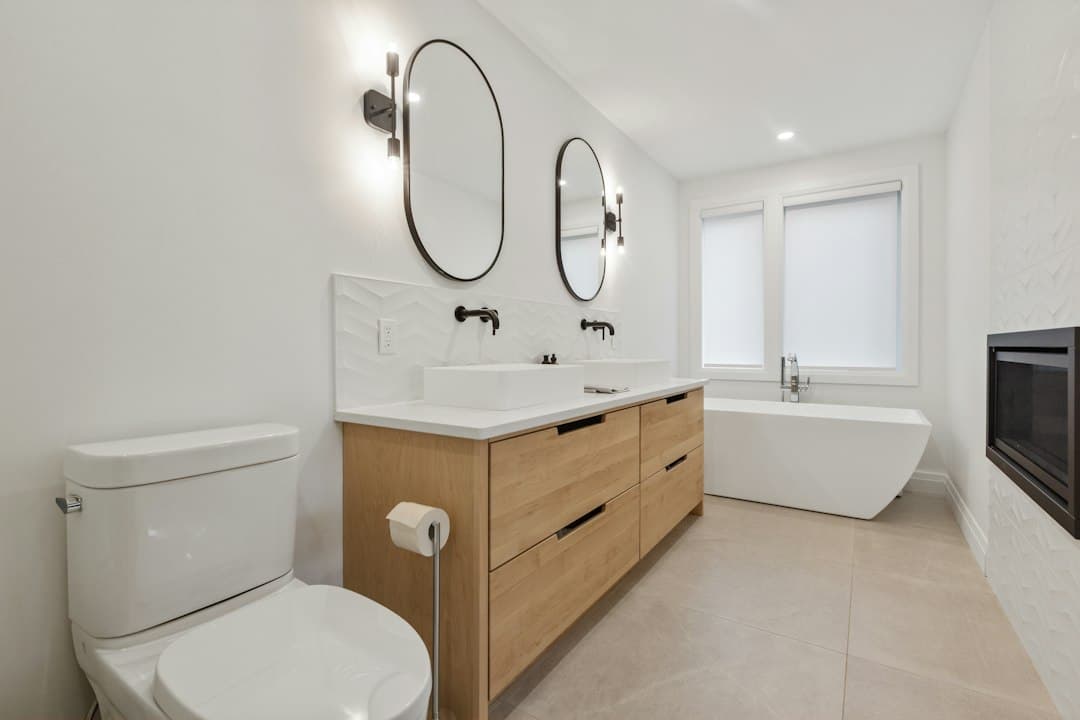
A heated bathroom floor is an electric heating cable set in thinset under your tile, controlled by a thermostat on the wall. The cable warms the tile from below, so the floor feels warm when you step out of the shower. In Greater Boston, heat adds roughly $10 to $15 per square foot of heated floor to a tile job (as of 2026 pricing), plus the electrician. This page is part of our Tile Installation Complete Guide.
Key Takeaways
- How it works: a thin electric cable sits in thinset under the tile, and a wall thermostat with a floor sensor turns it on and off.
- Install cost: heat adds about $10 to $15 per square foot of heated floor (as of 2026 pricing), on top of the tile installation.
- Running cost: a small bathroom floor uses a few hundred watts, and a thermostat schedule keeps the bill low.
- One cable, open floor only: we size one cable to where you stand, not under the vanity or toilet.
- Best timing: add heat during a floor retile, because the cable has to go under new tile.
- Electrician required: a licensed electrician runs the circuit; we lay, test and tile over the cable.
How Does a Heated Bathroom Floor Work Under Tile?
Floor heat works like an electric blanket built into the floor. A thin cable carries current, the cable gets warm, and the tile and thinset spread that warmth across the surface. A sensor wire sits between two cable runs and reports the floor temperature to the thermostat. The thermostat turns the cable on and off to hold the temperature you set.
Under tile, the cable is not loose. It snaps into a heating membrane, such as Schluter DITRA-HEAT, that holds the spacing even. That membrane goes down in thinset over the subfloor. The tile then goes over the membrane in a second layer of thinset. When it is done, the cable sits just under your tile, inside a membrane about a quarter inch thick.
Already planning to retile? Send us photos and get a free estimate for your heated bathroom floor, usually the same day.
What Is a Floor-Heating Thermostat?
A floor-heating thermostat is a wall control that reads the floor sensor and switches the cable on and off. Most models are programmable, so the floor warms up before you wake and shuts off when you leave. Many have built-in ground-fault protection for the heating circuit. Your electrician mounts it near the bathroom door, usually where a light switch would go.
Electric Cable vs Hydronic Floor Heat
Almost every heated floor we install is electric. Hydronic heat uses hot-water tubing from a boiler, and it suits whole-house systems more than one bathroom. Here is how the main options compare.
System | How it is built | Floor height added | Best fit |
|---|---|---|---|
Cable in heating membrane (Schluter DITRA-HEAT, Laticrete STRATA_HEAT) | Cable snaps into an uncoupling-style membrane set in thinset | About 1/4 inch plus tile | Bathroom floors, retiles, wood subfloors |
Pre-built heating mat (Nuheat Mat) | Cable woven into a mesh mat sized to a layout | Thin, set in thinset | Simple rectangular floors |
Hydronic PEX tubing | Hot-water tubes from a boiler, in a poured or panel system | Usually more than electric | Whole-house radiant heat, new construction |
For a single bathroom, electric is simpler. It needs one circuit, no plumbing and no boiler connection. Our crews install the membrane-and-cable type because it also gives the tile the uncoupling layer a floor needs.
How Much Does a Heated Bathroom Floor Cost to Install?
Floor heat adds about $10 to $15 per square foot of heated area, based on current Greater Boston rates. That covers the heating system under the tile. The electrician bills separately for the circuit and thermostat hookup. The tile installation itself runs about $10 to $30 per square foot for floors, depending on prep and tile size.
Because we heat only the open floor, the heated area is smaller than the room. A bathroom with 50 square feet of floor may have only 30 to 35 square feet of open floor once the vanity, toilet and tub are out of the count. For a full breakdown by room size, see our heated bathroom floor cost guide.
- Heating system: about $10 to $15 per heated square foot (as of 2026 pricing).
- Tile installation: about $10 to $30 per square foot of floor.
- Floor leveling, if needed: self-leveling compound adds $2 to $5 per square foot.
- Electrician: separate quote for the circuit and thermostat.
- Tile: you buy the tile. We recommend suppliers and supply the setting materials.
What Does a Heated Bathroom Floor Cost to Run?
A heated floor costs little to run because the heated area is small. Most under-tile cables put out around 12 watts per square foot, so a 40-square-foot floor draws about 480 watts at full power. That is far less than a hair dryer. Run on a schedule for a few hours a day, the monthly cost stays modest even with high Massachusetts electric rates.
The bill depends on three things: heated square footage, hours of run time and your price per kilowatt-hour. A programmable thermostat matters more than anything else. We walk through the math with real examples in our heated bathroom floor cost to run article.
Is a Heated Bathroom Floor Worth It?
For most Boston-area bathrooms, yes, if you are already replacing the floor. Tile pulls heat from your feet, and our heating season runs from about October to April. The add-on cost is modest when the old floor is already torn out. The math changes if you would have to rip out a good tile floor just to add heat.
Heated Floor vs Plain Tile Floor
- Comfort: heated tile feels warm underfoot; plain porcelain feels cold for much of the year.
- Cost: heat adds about $10 to $15 per heated square foot plus electrical; plain tile adds nothing.
- Moisture: a warm floor dries faster after showers and bath mats.
- Repairs: a damaged cable means opening the floor; plain tile has no cable to fail.
- Layout: heat needs the vanity and toilet locations settled before tile; plain tile does not.
Cold slab floors, basement bathrooms and older homes over unheated spaces get the biggest benefit. We cover who should and should not add heat in are heated bathroom floors worth it.
How We Install a Heated Bathroom Floor
We install floor heat as part of the tile job, not as a separate trade. The heating membrane takes the place of the uncoupling mat we would use under any tile floor. So you get uncoupling and heat in one layer. Here is our process, step by step.
- Plan the open floor. We measure where you stand and leave out the vanity, toilet and tub areas. Then we pick one cable sized to that open area. Heating cables come in fixed lengths and cannot be cut shorter, so the size has to be right.
- Prep the subfloor. The floor must be flat and solid. Over wood we check for flex, and over concrete we fill low spots with self-leveler where needed.
- Set the membrane. We bed the heating membrane in Laticrete 254 Platinum thinset. This replaces the Strata Mat uncoupling layer on a non-heated floor.
- Test the cable, then lay it. We take resistance readings with a meter before the cable goes in. Then we snap it into the membrane, keeping it out of the toilet flange area.
- Place the floor sensor. The sensor wire goes between two cable runs, in a spot that will not sit under a bath mat or cabinet.
- Test again and set tile. We take a second reading, then set the tile in Laticrete 253 Gold thinset over the membrane.
- Grout and final test. We grout with Laticrete Permacolor and take a final reading after the tile is set. We record the readings for your warranty file.
Why Testing Before and After Tile Matters
Once tile is set, the cable is out of reach. A nicked cable found after grout means pulling tile to fix it. Testing at each stage catches damage while the floor is still open. In our experience, this one habit prevents almost every heated-floor callback.
Who Does the Electrical Work?
A licensed electrician runs a circuit to the thermostat box and makes the final connection. We coordinate the schedule so the box and wire are in place before we set the membrane. The cable lead runs up the wall to that box through a small channel. Then the electrician connects the thermostat after the tile is done and the thinset has cured.
We follow the Schluter installation instructions for the membrane and cable. Following the manufacturer specification protects your system warranty.
Can You Add a Heated Floor During a Bathroom Floor Retile?
Yes, and a retile is the best time to do it. The old tile, thinset and underlayment come up anyway, so the subfloor is open. Adding the heating membrane at that point costs only the system and the electrician. Adding heat later means tearing out a good floor and paying for the tile job twice.
A floor retile follows the same steps as any bathroom floor tile installation, with the heat layer swapped in for the plain uncoupling mat. Most floor jobs take 2 to 7 days depending on area and prep. Heat adds testing time but rarely a full day. If you are still choosing a floor, our guide to bathroom floor tile vs LVP explains why tile is the better partner for floor heat.
What Tile Works Best Over a Heated Floor?
- Porcelain floor tile (12x12, 12x24): dense, waterproof and spreads heat evenly. About $6 per square foot for the tile itself.
- Wood-look porcelain plank (6x36, 8x48): the wood look without the worry. About $8 per square foot; needs back-buttering and a flat floor.
- Natural stone (slate, travertine, limestone): holds heat well but needs sealing. About $14 per square foot.
- Ceramic floor tile: fine for light-traffic guest baths at about $3 per square foot.
Those tile prices are material only, based on current pricing. You buy the tile from the supplier you choose, and we recommend a few. We supply the thinset, membrane and grout.
How Do You Choose an Installer for Floor Heat?
Choose a tile installer who installs heat regularly and tests the cable at every stage. Ask how they size the cable and whether it goes under the vanity. The right answer is no. Ask who coordinates the electrician and when.
- Licensing: Aguirre Modern Tile holds Massachusetts HIC #655072 and carries $1M liability insurance.
- Experience: we have installed tile floors across Greater Boston since 2016.
- Method: one cable sized to the open floor, membrane in place of the uncoupling mat, readings before and after tile.
- Clear pricing: one price for the job, with the heat system called out.
For the full prep and setting process on any floor, see our guide to tile installation floor work. We recommend settling the vanity and toilet positions before you book, because the cable layout depends on them.
Get a Warm Floor Before Next Winter
Floor heat is one of the few upgrades you feel every day. It costs about $10 to $15 per heated square foot to add during a retile, and it runs on a few hundred watts. Done right, it sits quietly under your tile for years. The key is one correctly sized cable, tested before and after tile, with a licensed electrician on the circuit.
Ready for a warm tile floor this winter? Send photos of your bathroom and get a same-day estimate for a heated bathroom floor from Aguirre Modern Tile. Visit Aguirre Modern Tile to see our recent floor work.
Frequently Asked Questions
Can you put a heated floor under any tile?▾
Does the heating cable go under the vanity and toilet?▾
Can a heated bathroom floor heat the whole room?▾
Who runs the electrical for a heated floor?▾
What happens if a heating cable gets damaged?▾
Can I add a heated floor without replacing my tile?▾
Need Floor Tile Installation?
Send us photos and get a same-day estimate.