Tile Shower vs Acrylic and Fiberglass: Cost, Life and Repairs
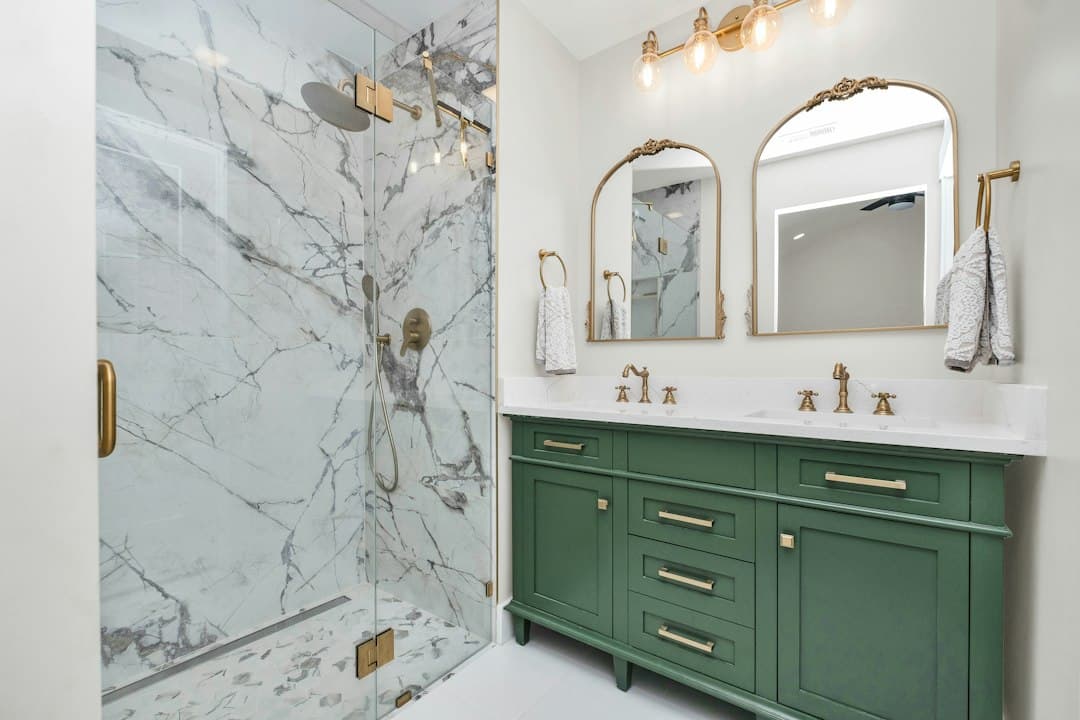
The tile shower vs acrylic choice is a pick between a custom tile shower built over a waterproof membrane and a factory-made acrylic or fiberglass unit. Choosing between them? Tile costs more upfront. In Greater Boston, a full shower tear-out and rebuild runs $5,000 to $7,000+ (as of 2026 pricing). In return it fits any size, lasts for decades when the waterproofing is right, and can be repaired one tile at a time. Acrylic and fiberglass cost less and go in faster, but they come in fixed sizes and a crack often means replacing the whole unit. This deep-dive builds on our tile shower vs acrylic Complete Guide.
Key Takeaways
- Upfront cost: a full tile shower rebuild runs $5,000 to $7,000+ and a tub surround retile runs $4,300 to $5,000 (based on current Greater Boston rates). Prefab units cost less upfront.
- Repairs: one cracked tile can be cut out and replaced. A cracked acrylic or fiberglass pan usually means a new unit.
- Fit and look: tile fits any shower size, niche or bench. Prefab units come in set sizes and a few colors.
- Waterproofing is what lasts: tile and grout are not waterproof on their own. We roll RedGard on the walls and build the floor on a Schluter Kerdi tray or a sloped mud pan.
- Prefab has its place: rentals, tight budgets and quick turnovers are fair reasons to pick acrylic.
Weighing a tile shower against an acrylic or fiberglass quote? Send us photos of your current shower for a same-day tile shower estimate. A few phone pictures of the walls, the floor and the valve are enough for us to price it.
Tile Shower vs Acrylic, Fiberglass and Cultured Marble: How Do They Compare?
Tile wins on lifespan, custom fit and repairs. Acrylic and fiberglass win on upfront price and install speed. Cultured marble sits between them, with a stone look and few seams. The table below sets them side by side.
Shower type | Upfront cost | Lifespan | Look | Repairs |
|---|---|---|---|---|
Ceramic subway tile (3x6) over RedGard | Full shower rebuild $5,000 to $7,000+ (tile you buy runs about $4 per sq ft) | Decades with sound waterproofing and caulk upkeep | Classic, any color or pattern | Swap one tile, regrout a wall |
Large-format porcelain (12x24) over RedGard | Same job range (tile about $8 per sq ft) | Decades; porcelain absorbs less than 0.5% water per ASTM standards | Modern, few grout lines | Swap one tile; keep spares |
Acrylic shower unit | Lower than tile; get a written quote | Depends on the unit and how well it was set | Smooth, glossy, set sizes | Buff light scratches; cracks often mean a new unit |
Fiberglass shower unit (gelcoat finish) | Usually the lowest upfront | Gelcoat can dull, chip and crack with age | Plain, set sizes | Patch kits; a cracked floor usually means a new unit |
Cultured marble wall panels | Priced by the fabricator; get a written quote | Long if the gelcoat is cared for | Stone look, few seams | Chips can be patched; cracks often mean a new panel |
What is a prefab shower?
A prefab shower is a shower made in a factory as a one-piece or multi-piece unit. The base, walls or both arrive ready to set in place. Acrylic units are made from a solid acrylic sheet heated and formed over a mold, often backed with fiberglass. Fiberglass units are layers of glass fiber and resin with a thin colored gelcoat on the surface.
What Fails First: Tile or Acrylic?
Each type has its own weak spot. Knowing it helps you judge any quote, ours included.
- Tile showers fail at the waterproofing. Tile and grout let some water through. If the layer behind them is missing or has gaps, water reaches the studs. That is why we roll RedGard on the walls and use Kerdi-Band only where a Kerdi tray or curb meets the wall. Our redgard vs kerdi guide explains the choice.
- Acrylic and fiberglass fail at the base. A pan that is not fully supported underneath flexes each time you step on it. Over time that flex can crack the floor of the unit.
- Both fail at the caulk. The joint where the walls meet the tub or base needs fresh silicone when it cracks or peels.
Good installers handle all three. For the full build sequence on our side, see tile shower installation.
Acrylic vs Fiberglass vs Tile Shower Cost
- Fiberglass: usually the lowest upfront price. The trade-off is a thinner surface that shows wear sooner.
- Acrylic: costs more than fiberglass but holds its color and shine longer, since the color runs through the sheet.
- Tile: the highest upfront price. A full shower rebuild runs $5,000 to $7,000+ (as of 2026 pricing). You also pick and buy the tile, and we recommend suppliers.
Prefab prices vary a lot by brand, size and installer. We do not quote them, so get a written price from the company that sells the unit. Then compare it line by line with a tile quote.
Tub Surrounds: Tile vs Acrylic Panels
For the walls around a bathtub, acrylic panels are cheaper and faster. Tile costs more but lasts longer, looks custom and can be fixed in sections. We cover this choice in full in our guide to tub surround vs tile.
- Acrylic panels: three or more panels glued to the wall, with caulked seams in the corners. Quick to install. The seams are where water and mildew tend to show up.
- Tiled tub surround: backer board, RedGard waterproofing, tile, Laticrete Permacolor grout and a metal edge finished to match the grout. More steps, but the waterproof layer is continuous behind the tile.
Panels work well when the walls behind them are dry and solid. If the old tile is loose or the drywall is soft, the walls need to open up either way. At that point, the price gap between panels and tile gets smaller.
Acrylic Liner Systems vs Tile
An acrylic liner system is a custom-molded acrylic shell made to fit over or in place of an existing tub and walls. Companies like Bath Fitter and Re-Bath are well-known names in this category. A tile shower is built from the studs out. Read the full breakdown in our bath fitter vs tile guide.
- Liner pros: a short install, less demo mess and a smooth surface that is easy to wipe down.
- Liner cons: styles and colors are limited. If a liner goes over old surfaces, any rot or leak damage behind them can stay hidden.
- Tile pros: the walls come down to the studs, so we see and fix any damage. You get any size, tile and layout.
- Tile cons: higher upfront cost and more days without a shower.
Ask any liner company whether the old tile comes off and what happens if they find damage. That one answer tells you a lot about the job.
Cultured Marble vs Tile
Cultured marble gives you a stone look with very few seams. Tile gives you more choice and easier repairs. See the details in our cultured marble shower vs tile comparison.
- Cultured marble: a cast mix of crushed stone and resin with a gelcoat finish. Panels are cut to size, so there are few joints to clean.
- Tile: real porcelain, ceramic or natural stone. More grout lines, but any single piece can be replaced.
- Middle ground: a tile shower with solid marble pieces for the window sill and curb cap. You get real stone where water sits, and tile everywhere else.
When Is a Prefab Shower Unit the Smart Choice?
A prefab unit is the smart choice when low upfront cost and speed matter more than a custom look. We tell homeowners this plainly, even though we build tile showers. Here are the fair cases for acrylic or fiberglass:
- Rental units: a landlord who needs a clean, working shower between tenants. Downtime costs rent.
- Tight budgets: when the money has to cover more than the shower, such as a roof or a furnace.
- Selling soon: a fresh, clean unit can be enough if you are listing the house.
- Standard sizes: a 60-inch alcove where a stock unit fits with no gaps.
- Basement or utility showers: a second shower that gets light use.
Tile is the better pick in a main bathroom you plan to keep for years. It also wins for odd sizes, a window inside the shower, or when you want a niche, a bench or a curbless shower.
Is a Tile Shower Harder to Clean Than Acrylic?
Yes, a little. Acrylic has no grout lines, so a quick wipe handles most of it. Tile has grout joints that hold soap film if you never wipe them. Large-format porcelain cuts the number of grout lines, and a good cement grout like Laticrete Permacolor resists stains better than old-style grout.
- Acrylic: wipe with a soft cloth. Skip abrasive pads, which scratch the surface.
- Tile: squeegee after showers and recaulk the corners and tub line when the caulk wears.
How Much Does a Tile Shower Cost vs Fiberglass?
A full tile shower tear-out and rebuild runs $5,000 to $7,000+ in Greater Boston (as of 2026 pricing), and that includes tub-to-shower conversions. A tub surround tear-out and retile, about 60 to 80 square feet, runs $4,300 to $5,000. That price is labor plus setting materials. You buy the tile, and plumbing, electrical and glass are extra. A fiberglass unit costs less upfront because the shower is made in a factory and the install is shorter. For full numbers on a tub-to-shower job, see our tub to shower conversion cost guide.
Here is what moves the price of a tile shower:
- Tile choice: ceramic subway tile runs about $4 per square foot, marble-look porcelain about $10, and real marble about $18 (based on current material prices). You buy the tile; we bring the setting materials.
- Size and extras: a larger shower, a bench or stone sills push a rebuild past $7,000.
- Floor only: if the walls are sound and only the floor leaks, a new Kerdi tray and curb runs $4,100 to $4,500.
- Shower floor: a Schluter Kerdi foam tray or a sloped mud pan. Our guide to kerdi shower pan vs mud covers the trade-offs.
- Extras: a recessed niche is $400 to install. A bench, a linear drain or a glass door adds more.
- Hidden damage: rot in the studs or subfloor, found after demo, adds repair time.
- Plumbing: we connect the Kerdi drain ourselves. A plumber is only needed to move a drain or valve.
Most tile showers take 4 to 8 working days, depending on size and repairs. Our guide on how long does it take to tile a shower walks through each day. Industry methods for tile showers are set out in the TCNA Handbook, which most pros follow.
Tile Shower vs Acrylic: Which Should You Choose?
Pick a tile shower if you plan to stay, want a custom size or look, and want repairs that do not mean tearing out the whole shower. Pick acrylic or fiberglass if the budget is tight, the shower is in a rental, or speed matters most.
- Tightest budget: a fiberglass or acrylic unit.
- Longest life: tile over RedGard walls and a Kerdi tray or mud pan.
- Most style choice: tile, with any layout, niche or trim.
- Least cleaning: acrylic, or large-format porcelain with fewer grout lines.
- Stone look, few seams: cultured marble, or tile with real marble sills and curb caps.
Aguirre Modern Tile has built showers across Greater Boston since 2016. We are a registered Massachusetts home improvement contractor (HIC #655072) and fully insured with $1M liability coverage. Ready to see what a tile shower costs next to the acrylic quote you already have? Send us photos and get a same-day tile shower estimate.
Frequently Asked Questions
Is a tile shower better than acrylic?▾
Is a tile shower more expensive than fiberglass?▾
Can you put tile over an acrylic or fiberglass shower?▾
How long does it take to replace a fiberglass shower with tile?▾
Is acrylic or fiberglass better for a prefab shower?▾
Need Shower Tile Installation?
Send us photos and get a same-day estimate.